19 Vintage Wall Art Ideas That Add Classic Charm to Your Living Room
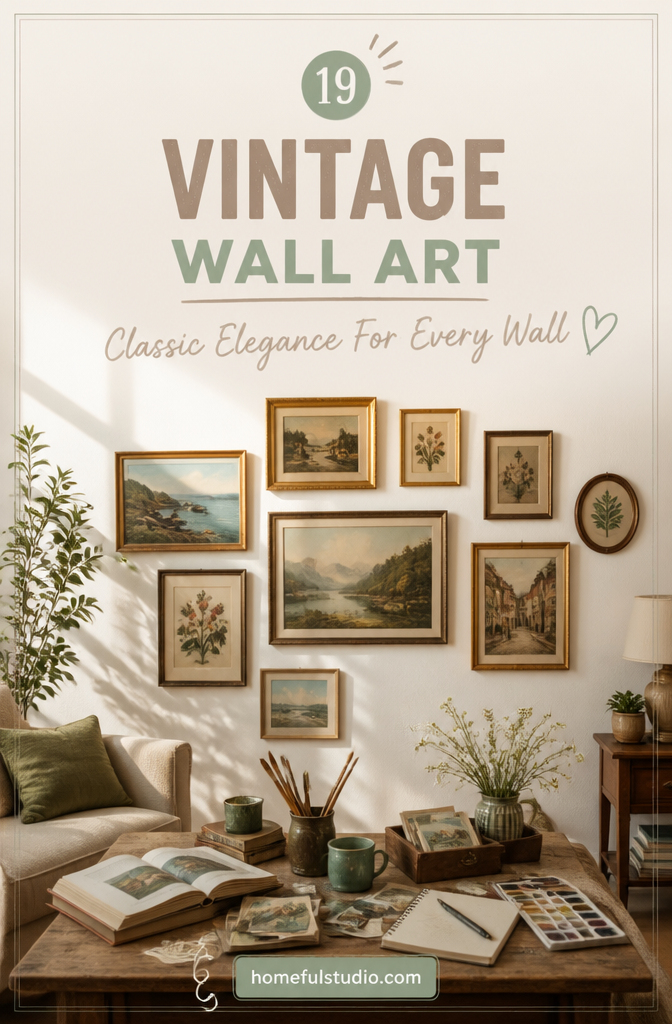
A living room often feels most welcoming when it carries a sense of history. Vintage wall art can introduce nostalgia without overwhelming a room, giving ordinary walls a quiet story and a more personal point of view. The right pieces add classic charm through familiar motifs, softened colors, and the texture of age. They can also work alongside modern furniture, creating a layered look that feels collected rather than staged. The ideas below offer practical ways to use vintage wall art as living room decor while balancing timeless elegance with your own style.
Start With the Mood You Want
Before choosing artwork, decide how you want the room to feel. Vintage pieces range from refined and formal to rustic and playful, so the mood should guide your selection.
- Choose earthy tones such as olive, terracotta, rust, ochre, and deep brown for a grounded, cozy atmosphere.
- Select pastel art in faded rose, powder blue, sage, and soft yellow for a lighter room with gentle contrast.
- Look for classic charm in botanical studies, old maps, architectural drawings, floral still lifes, and quiet landscapes.
- Consider timeless elegance through restrained frames, muted palettes, and pieces that do not rely on loud colors.
- Use wall decoration that complements existing fabrics and finishes instead of competing with them.
Bring home a few samples or print mockups before committing. Observe them in daylight and in the evening to see how the colors change.
Build a Gallery Wall With Intention
A gallery wall can turn a blank area into a curated collection while keeping the room cohesive. Plan the arrangement before putting nails in the wall.
- Lay frames on the floor and experiment with different shapes until the composition feels balanced.
- Keep a consistent frame finish or repeat one color throughout the grouping.
- Mix sizes, but give one or two pieces visual priority so the display does not look scattered.
- Leave enough breathing room between frames; crowded arrangements can lose their charm.
- Use paper templates taped to the wall to test spacing and height before drilling.
A useful variation is to begin with a single row above a sofa, then expand outward over time. This approach gives the wall a natural rhythm and allows you to add pieces gradually.
Choose One Strong Focal Point
If a gallery wall feels too busy, let one piece carry the room. A large vintage map, a framed textile, or a botanical print can become a calm anchor for living room decor.
- Hang the artwork at eye level so it feels connected to the seating area.
- Choose a frame that echoes the room’s hardware or wood tones for a pulled-together look.
- Keep surrounding decor simple so the focal piece retains its impact.
- Consider a pair of matching prints for symmetry, especially over a console or mantel.
- For high ceilings, use a taller composition that rises above the sofa without crowding the wall.
This approach works especially well in smaller living rooms, where one intentional piece can add character without creating visual noise.
Mix Vintage Art With Modern Elements
Vintage wall art becomes more interesting when it sits alongside contemporary pieces. The contrast keeps the room from feeling like a period set and makes the decor feel current.
- Pair ornate frames with simple, clean-lined furniture.
- Use modern lighting to highlight older artwork and create a fresh presentation.
- Combine earthy tones with neutral upholstery, then add a small accent in a soft pastel.
- Layer textures such as linen, wool, and aged wood to deepen the room’s atmosphere.
- Repeat a color from the artwork in cushions or a rug to connect the wall to the rest of the space.
Avoid matching every object to the artwork. A few intentional echoes are enough to create harmony while leaving room for personality.
Create a Rotating Seasonal Display
Not every piece needs to stay on the wall year-round. A rotating display keeps living room decor lively and gives you a chance to protect delicate works from direct light.
- Store framed pieces flat in a dry place, away from moisture and temperature swings.
- Rotate artwork every few months to refresh the room without buying new furniture.
- Use removable hanging strips for lightweight frames and proper wall anchors for heavier pieces.
- Keep a small inventory of pieces in similar sizes so swaps feel effortless.
- Introduce pastel art in spring and richer earthy tones in autumn for a subtle seasonal shift.
This method also helps you notice which pieces you truly enjoy, making future purchases more focused and less wasteful.
Common Mistakes to Avoid
Even beautiful pieces can fall flat when the display feels rushed or mismatched.
- Hanging art too high separates it from the furniture and makes the room feel disconnected.
- Mixing too many frame styles without a unifying element can create visual clutter.
- Choosing only dark, heavy artwork may make a small room feel smaller.
- Ignoring lighting can hide texture and detail; a soft directional light often improves the presentation.
- Buying a set simply because it matches can lead to a generic look rather than classic charm.
Take your time, step back often, and adjust until the wall feels balanced with the furniture and the overall scale of the room.
FAQ
What type of vintage wall art works best in a small living room?
Choose one medium-sized piece or a compact gallery grouping with consistent frames. Lighter pastel art, botanical prints, and maps with open space can make the room feel less crowded while still adding character.
How do I make old artwork look intentional rather than dated?
Use a simple, well-made frame and place the piece alongside modern furniture or lighting. Repeat one or two colors from the artwork elsewhere in the room to connect old and new elements.
Should all frames match in a vintage display?
Matching frames create a polished, timeless elegance, but a mix can work if there is a common thread such as color, material, or scale. The goal is coherence, not perfect uniformity.
Read more: 19 Vintage Wall Art Ideas That Add Classic Charm to Your Living Room


Nhận xét
Đăng nhận xét